
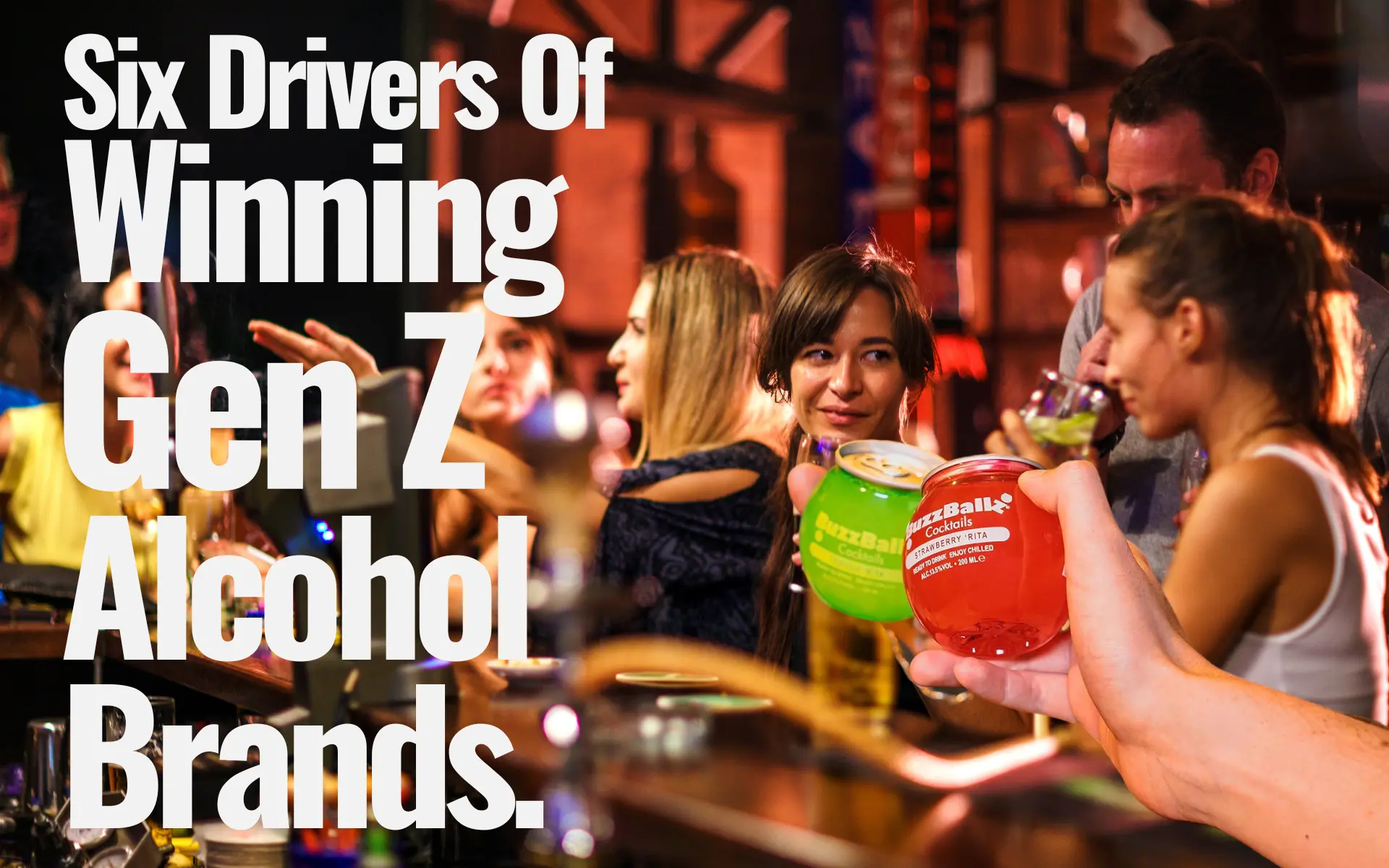
Six things winning Gen Z brands are doing, and Big Alcohol needs to emulate
Updated October 2026
Three years ago the trade said: Gen Z don’t drink.
Two years ago it said: Gen Z drink moderately.
By July 2026 IWSR’s Bevtrac had Gen Z participation steady at 76% in the UK and 71% in the US. Across 15 markets it is 74%, up from 66% three years earlier.
UCL data from March 2026 says 68% of UK 23-year-olds binge drink, and 29% do so at least monthly. That is up from 10% at age 17, and above the 25% recorded for Millennials.
The US is split. Gallup finds only 50% of 18 to 34s there drink at all (August 2026).
In the UK they’re at the bar. They’re going out more often, drinking more selectively, spending less per visit and bingeing harder when they do drink. Most importantly for Big Alcohol, they’re passing over the heritage premium brands the trade has spent the last decade building.
They’re picking challenger brands that ‘get them’. Au Vodka turned over £82.8m, and its cans overtook Gordon’s as the UK’s top RTD. BuzzBallz grew 827% in the UK. Trip is valued at $300m. PerfectTed is valued at £140m. Poppi sold to PepsiCo for $1.95bn.
Big Alcohol has noticed. Sazerac bought BuzzBallz in 2024 and Au Vodka in September 2026. It can’t build these brands, so it’s buying them.
We’ve analysed what makes these winning Gen Z brands ‘tick’, and it’s clear. Big Alcohol has a limited opportunity to catch up.
The reality
They’re in the pub more often.
Data shows a 10-point upswing towards high-tempo socialising amongst Gen Z. 49% visit “third-space” venues weekly. 50% are at the pub between 8 and 10pm, six points above the UK national average (CGA October 2025). The cohort the industry wrote off as sober is now over-indexing on bar visits at every time slot the trade cares about.
They’re spending less per visit.
CGA: £98 per month on-trade, against £123 for Millennials. Circana via the Wall Street Journal: total Gen Z spending across all categories fell 13% year-on-year between January and April 2025. The cohort has less money to spend and is making harder choices about what gets it.
They’re choosing fewer brands per night.
IWSR Bevtrac data: Gen Z dropped from 2.8 to 1.8 drink categories per occasion between September 2023 and September 2025. They’ve found brands that match their tastes, and the heritage ones are losing out. Diageo’s US spirits sales fell 11.5% in the year to June 2026. Its tequila sales fell 21.1%.
They’re bingeing when they do drink.
UCL’s Millennium Cohort Study, March 2026, near 10,000 UK respondents born 2000-02: 68% binge drank in the past year. 29% binge once a month or more.
They’re choosing brands that ‘get them’.
Au Vodka, BuzzBallz, Trip, PerfectTed, Dash, Bero, Impossibrew, Cut Classics, Cream Heroes. None has a master distiller. None has a 200-year heritage story. Two now belong to Sazerac. The category is being restructured by brands with a very different ‘vibe’.
The driving forces
They’re skint.
UK youth unemployment hit 16.4% in May to July 2026, up from 14.3% a year earlier (ONS). 24% of 18 to 34s in the US, UK and Europe rate their fear of losing their job to AI at 8 or higher out of 10 (Deutsche Bank, 2025). The median age of US first-time homebuyers rose from 29 to 40 in a decade (National Association of Realtors). Only 36% of young Britons expect to be better off than their parents, down from 63% a year earlier (Nationwide and John Smith Centre, April 2026).
They’re lonely.
GWI, January 2025: 80% of Gen Z felt lonely at some point in the past 12 months, against 45% of Boomers. Pew: 47% of US adults under 30 are single. The Institute for Family Studies: 37% of US adults aged 18 to 64 had sex weekly in 2024, against 55% in 1990. The ‘sex recession’ is now a measurable phenomenon. Going to the bar is one of the ways they’re trying to be less alone.
They’re mentally ‘overdrawn’.
Climate, AI, work, identity, politics, dating, debt. Gen Z has no headspace left to learn the drinks category, decode its heritage or read its back label. Whatever you sell them has to be understood in the three seconds it takes to walk to the bar or shelf. The brands that win with Gen Z have, almost without exception, made it easier for them at every point.
They believe, but don’t act.
The generation that says climate matters most recycles least. 44% of Gen Z recycle ‘often’ or ‘always’, against 67% of Boomers (Boxed Water, US, 2023). 41% of UK Gen Z say they’ll be meat-free in 2026, and about 19% already are (Finder UK). Only 29% of UK Gen Z call themselves committed to sustainable buying (RSM UK, 2025). In the US, 67% of Gen Z bought from Shein in the past year (Cotton Inc, 2025).
They believe the planet needs saving and people should be treated fairly. They don’t feel they have the power to do it themselves. So they reward the brands that do it for them, at a price they can afford.
They’re frustrated, bordering on resentful.
US Boomers hold $97tn in wealth. Millennials and Gen Z together hold $21tn (Federal Reserve, Q2 2026). Only 49% of Gen Z think business has a positive impact on society (Deloitte, 2024). ‘Big Pharma’, ‘Big Food’, ‘Big Tech’, ‘Big Alcohol’: the category prefix is now pejorative. A brand created inside ‘Big X’ almost automatically starts with a trust deficit.
Gen Z sees premium pricing as exploitative. To them a £40 craft gin is all markup. A heritage spirits brand is something sold to the affluent classes they hold responsible for their own lack of wealth.
That’s the cohort. Precarious, lonely, disempowered, angry and overdrawn. Strangely idealistic too. And at long last, they’re in the bar.
Six dimensions of brands Gen Z will buy
#1 Photogenic: A visual experience
Why: This generation grew up with social media. Every drink is a public statement. It’s part of every story they post and every group chat they share to. A pack that doesn’t look great in the photograph doesn’t make it to the till.
What it looks like: distinctive shape, colour, silhouette, ideally an instantly recognisable serve. Recognisable from a thumbnail. Barely needs a logo to be identified.
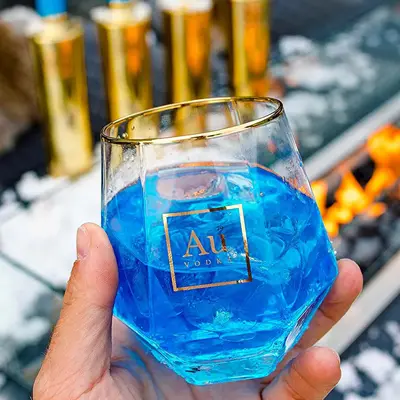
Au Vodka’s gold packs and vivid liquids.
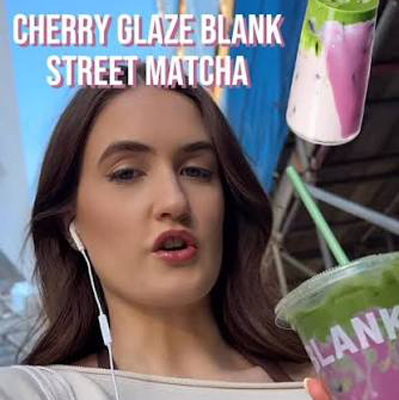
Blank Street’s TikTok-able limited editions.
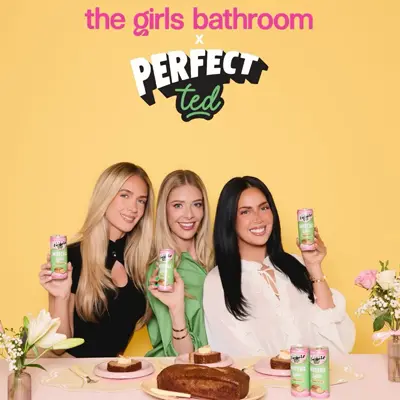
PerfectTed Banana Bread Matcha
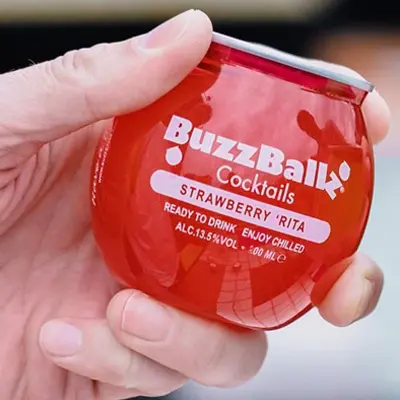
BuzzBallz’ brightly coloured plastic spheres.
#2 Single minded: A solution in a sentence
Why: Each winning brand single-mindedly meets a moment or provides a solution. They’re choosing fewer brands per night because each one meets a need better. This is for getting ready. This is for looking good. This is for removing sobriety. This is for not ruining tomorrow morning. A brand that tries to be all things to all moments can’t be summarised. A brand that can’t be summarised doesn’t get picked.
What it looks like: The brand mission & purpose can be expressed in seven words.
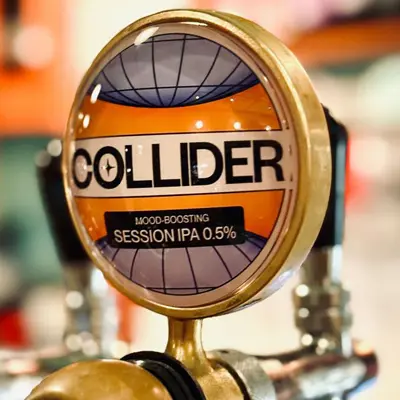
Collider is the: mood-boosting 0.5% alc session IPA alternative
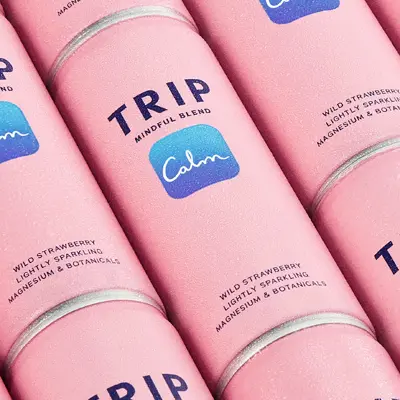
Trip promises: a mindful calming blend, and the appeal was clear
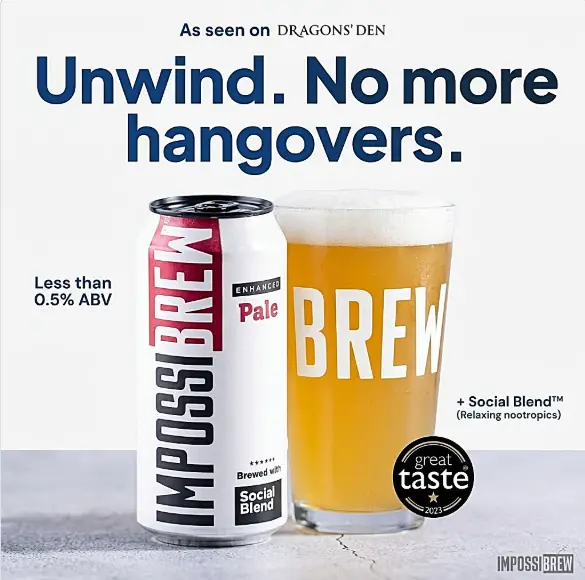
Impossibrew’s proposition is simple: a relaxing IPA with no alcohol or hangover
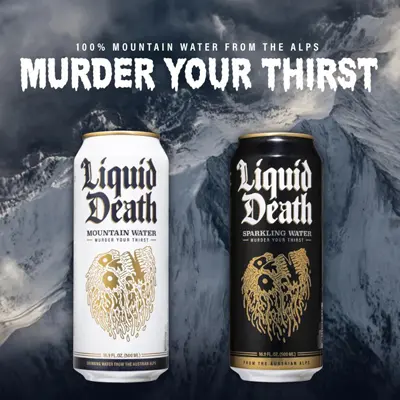
Murder your thirst was a huge success for Liquid Death in the US, but flopped in the UK.
#3 Cognitive efficiency: How it works, on front of pack
Why Gen Z has no spare brain space. A claim that isn’t blunt, in plain Gen Z English and on the front of the pack loses to one that is. Better gut. Half the alcohol. Calmer evening. No hangover. One sentence. Front of pack. Done.
What it looks like: The functional benefit is in plain (Gen Z) English, not marketing fluff. The ingredients are listed clearly. The mechanism is named. The buyer doesn’t have to invest effort to decode the brand.
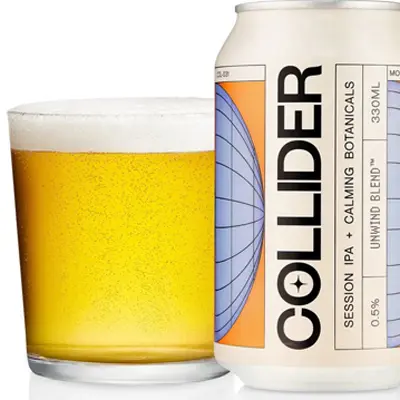
Collider’s mood-boosting blend of functional mushrooms and active botanicals delivers a euphoric calm without the need for alcohol.
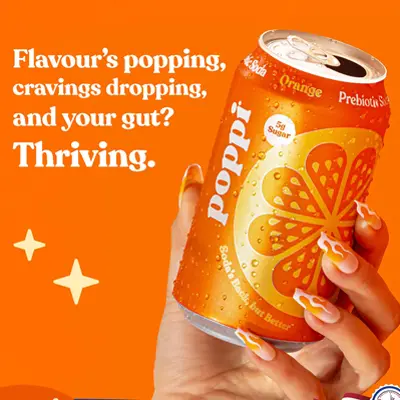
Poppi settled a class action over its gut-health claims for $8.9m, but PepsiCo still thought it was worth $1.95bn.
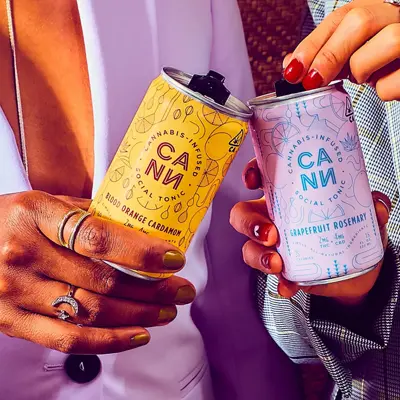
Cann is the US social drink infused with THC. It added a zero-THC range, 0MG, in July 2026
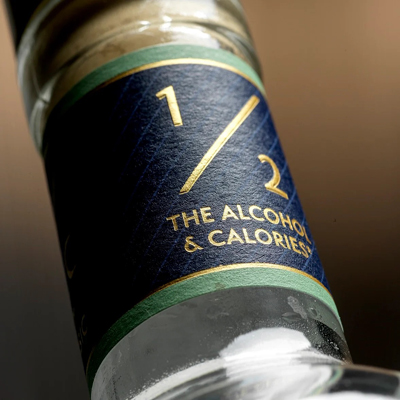
Cut Classics offer lifestyle-friendly spirits. The buzz and flavour you expect with half the alcohol and calories.
#4 Good values: built in as standard
Why: Decent ingredients. No environmental damage. Fair sourcing. LGBTQ+ inclusive. Gen Z feels these should be a basic right, not features that justify a markup. Gen Z hate green-washing, pink-washing, etc. They will aggressively censure and punish brands that breach their ethical standards, BUT they won’t pay massive premiums just for an “eco” label.
What it looks like: Brands that win on sustainability & fairness build the values structurally into the product at an everyday price. No surcharge for basic decency, and no preaching.
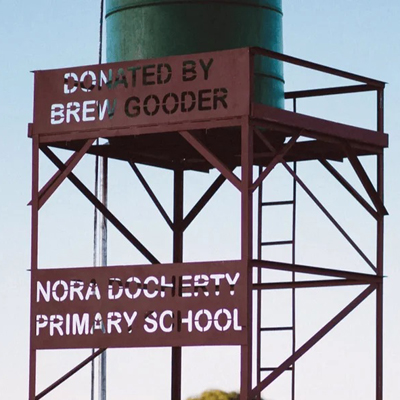
Brewgooder’s craft beers cost the same as its rivals in Tesco, but funds community clean water projects from every litre sold.
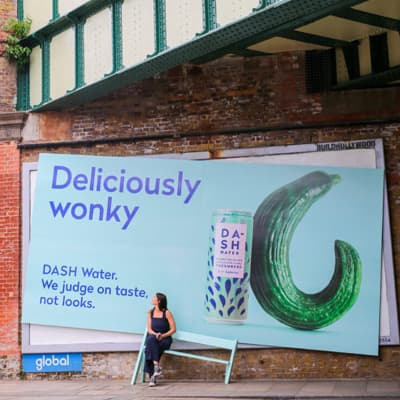
Dash Water cracked the Gen Z market by targeting a massive ethical pain point for younger demographics: food waste
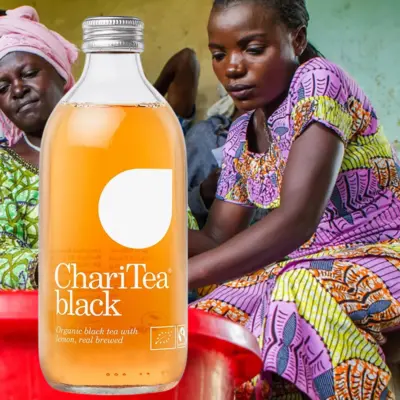
Lemonaid & ChariTea donate 5p from every bottle via their own Foundation. It’s already given €12m to local development projects.
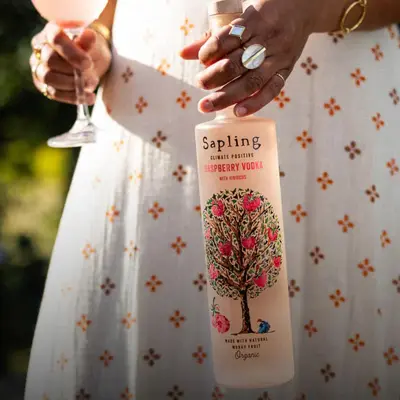
Climate-positive brand Sapling plants a tree for every bottle sold. A tracking code lets consumers see where it was planted
#5 Realistically priced: The good stuff at a price they can afford more than once.
Why. A pint of Camden Hells now averages over £6, and more than £7 in some London pubs (Morning Advertiser, January 2026). That is expensive relative to what Gen Z earn. It is also expensive next to the bubble tea round the corner that gets photographed and the Blank Street matcha that gets photographed. A Shein basket delivers six photographs and a hit of dopamine. Gen Z will spend £6, but they want something visible back for it.
What it looks like: Single-serve, small-format SKUs and multi-buys at affordable, everyday-indulgence price points, OR considered-purchase items that unleash dopamine and a high-credibility photo opportunity.
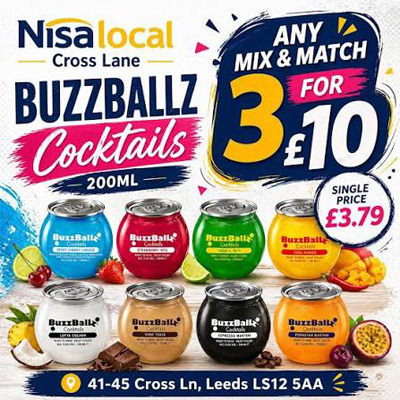
Whilst BuzzBallz are designed to be sold as single units at an affordable price point, regular buy 3 or 4-for-3 activity
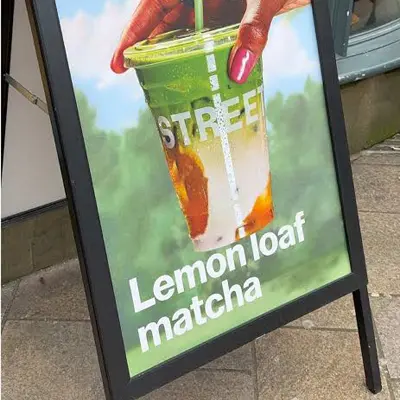
At £4.5/£5 or around $8 Blank Street’s limited edition matchas are far from cheap, but they pay back in experience & pics
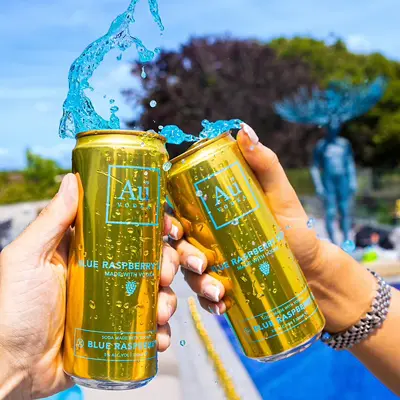
Gen Z are notoriously fickle, so a 330ml can at about £3 against a 70cl bottle at about £33 makes Au Vodka an easy choice.
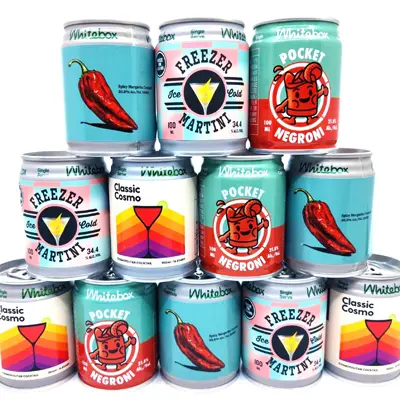
Instead of watering a cocktail down into a giant 330ml seltzer, Whitebox ships bar-strength serves in 100ml cans at around £5.
#6 Gets me: Talks like a Gen Z peer, not a producer
Why: Gen Z hates being talked at. They trust TikTok creators, their group chats and friends who’ve tried it. They don’t seem to care about the brand’s master distiller, heritage story or the opinions of an expert in tweed. The brands that win sound like a mate who’d recommend them.
What it looks like: Plain language, phone-shot photography, a meme, a founder who sounds just like them and shares their humour. A brand voice that admits what it’s selling: water, beer, vodka, energy drink. No pretending it’s a luxury good or a spiritual experience.
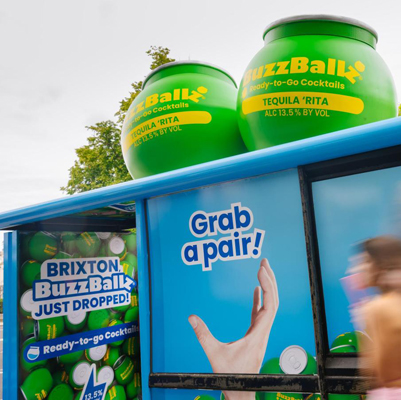
BuzzBallz leans entirely into being brightly coloured, highly potent, spherical plastic containers designed for a wild time.
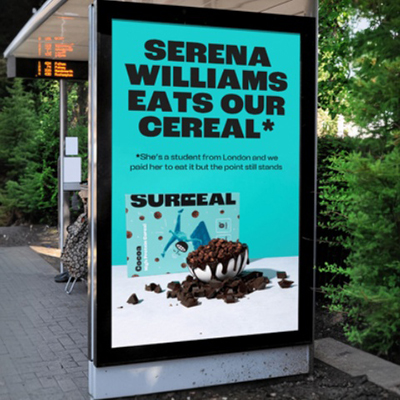
Surreal sounds like a friend annoyed at how dumb cereal marketing is, whilst also taking the mickey out of celeb endorsement.
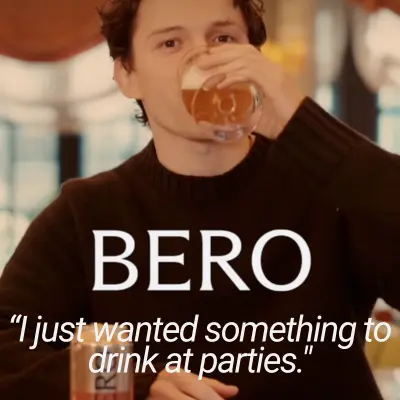
Bero sounds like Tom Holland, who has been open about his past drinking, telling you he just wanted something to drink at parties.
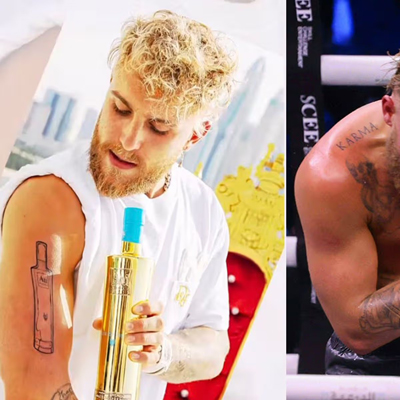
Au shareholder Charlie Sloth may have paid Jake Paul $250k to wear a fake tattoo into the Fury fight, but Gen Z saw the funny side!
What this means for innovation teams
Can you ignore Gen Z because they’re broke, and wait for them to ‘grow up’ and conform to older cohorts’ behaviour patterns? Hell no.
Can you stick with the premium pricing, branding and storytelling strategy and expect them to come around? Err, no.
The right direction: Build the values in. Bring the price down. Sharpen the mission. Put how it works on the front of pack. Speak like a peer. Make the pack worth picking up. The brands that have done these things are growing. The brands that haven’t are bleeding.
If your portfolio is currently failing more than two of these six, get in touch. There’s work to do, and a window that’s closing.
Need spotting?
Gen Z’s relationship with drinking is complex, and with alcoholic products is evolving fast. How about we recruit a panel of Gen Z drinkers and using a mix of social listening & immersion interviews to help you get inside their heads, and start predicting their underlying & unexpressed needs?
Outputs
A bank of unmet socialisation & entertainment needs to help your team get ahead of the game.
Cohort Concepting?
Are your current brands dead? Do you need to start from scratch, or can they evolve as fast as Gen Z themselves? How about a creative workshop executed by Gen Z marketers, designers & category visionaries to invent solutions they’d love to drink themselves?
Outputs
A bank of 100% relevant and authentic drink solutions generated by Gen Zs themselves.
Perfect propositions?
Rather than guessing what Gen Zs want and hoping you’ve created propositions with relevant missions, compelling mechanisms, entertaining & photogenic executions, and resonant tones of voice, why not evaluate and craft them to perfection with co-creators who are Gen Zs themselves?
Outputs
A pool of Gen Z optimised propositions, with a four-times greater probability of success in market*
Next?
If you’d like to chat either drop us a contact request, or connect with David , Nick or Joanna on LinkedIn
We custom-build solutions for every client that deliver brilliant results!
Watch the Gen Z briefing
Video briefing, under 15 minutes
Nick Shadbolt walks through what Gen Z are buying and the brands getting it right.
Gen Z and drinks: questions brands ask us
Is Gen Z drinking less alcohol?
In the UK, no. IWSR finds 76% of Gen Z adults of legal drinking age drink alcohol, and the figure held steady in 2026. The US looks different: Gallup finds only 50% of 18 to 34s drink, down 8 points since 2023.
How do Gen Z drink on a night out?
Harder and narrower. Across 15 markets, Gen Z drinkers chose 1.8 drink categories per occasion in 2025, down from 2.8 two years earlier (IWSR). In the UK, 68% of 23-year-olds binged at least once in the past year, according to UCL’s Millennium Cohort Study.
Why do Gen Z spend less in pubs and bars?
Money is tight. Gen Z spend £98 a month in the on-trade against £123 for Millennials, CGA finds. Youth unemployment among 16 to 24s reached 16.4% in May to July 2026, up from 14.3% a year earlier (ONS).
Is Big Alcohol building Gen Z brands or buying them?
Buying them, so far. Sazerac completed its purchase of Au Vodka in September 2026, reportedly for more than $300m (Reuters). Au’s turnover reached £82.8m in the year to April 2025, up 27% (The Grocer). Sazerac also owns BuzzBallz, whose UK sales value rose 827% in the year to April 2026 (NIQ, via The Grocer).
What do winning Gen Z drinks brands do differently?
They share six traits. They look good on camera and explain themselves in one sentence. They show how they work on the front of the pack. Values come built in, the price allows a repeat purchase, and they talk like a Gen Z peer.
* NiQ BASES data